
Profit-focused consulting for independent lumber & hardware retailers.
Elevate your retail business with Discovery Retail Group. Our expert guidance and tailored solutions for lumber, hardware stores and home centers enhance retail performance to unlock your store’s full potential. Let’s make real improvements together and stay ahead in today’s fierce retail competition.
Understanding the Numbers that Impact Profit
Small business owners and retailers must understand key financial metrics to drive their success. Knowing and analyzing expenses, costs, gross margin, conversion rate, average sale size, and average transaction size are crucial for making informed decisions and optimizing business performance.customer experiences, we offer tailored solutions to boost your profitability. Let us unlock the potential of your store with our innovative Profit Explorer and Incremental Improvement System. Take the first step towards a more successful retail future!
RETAIL MARGIN CALCULATOR
Analyzing cost & gross margin are crucial for making informed decisions and optimizing retail performance.
Retail Space Performance Calculator
Analyzing the performance of your retail space is crucial for making informed decisions and optimizing retail performance.
INCREMENTAL IMPROVEMENT CALCULATOR
Understanding & utilizing retail metrics, business owners can make strategic decisions and enhance growth.
Importance of Understanding Financial Metrics:
Knowing these numbers helps business owners:
Make Informed Decisions: Financial data provides insights into which products are performing well and which are not, guiding inventory and pricing strategies.
Optimize Operations: By analyzing costs and expenses, businesses can find areas to cut costs and improve operational efficiency.
Improve Profitability: Understanding gross margin and average sale size helps in setting sales targets and promotional strategies to enhance profitability.
Enhance Customer Experience: Monitoring conversion rates and transaction sizes can reveal customer behavior trends, aiding in the creation of better customer shopping experiences.
Our focus is helping you improve your retail profitability. Learn about the ways we can help.
Transform your retail business with these great books!
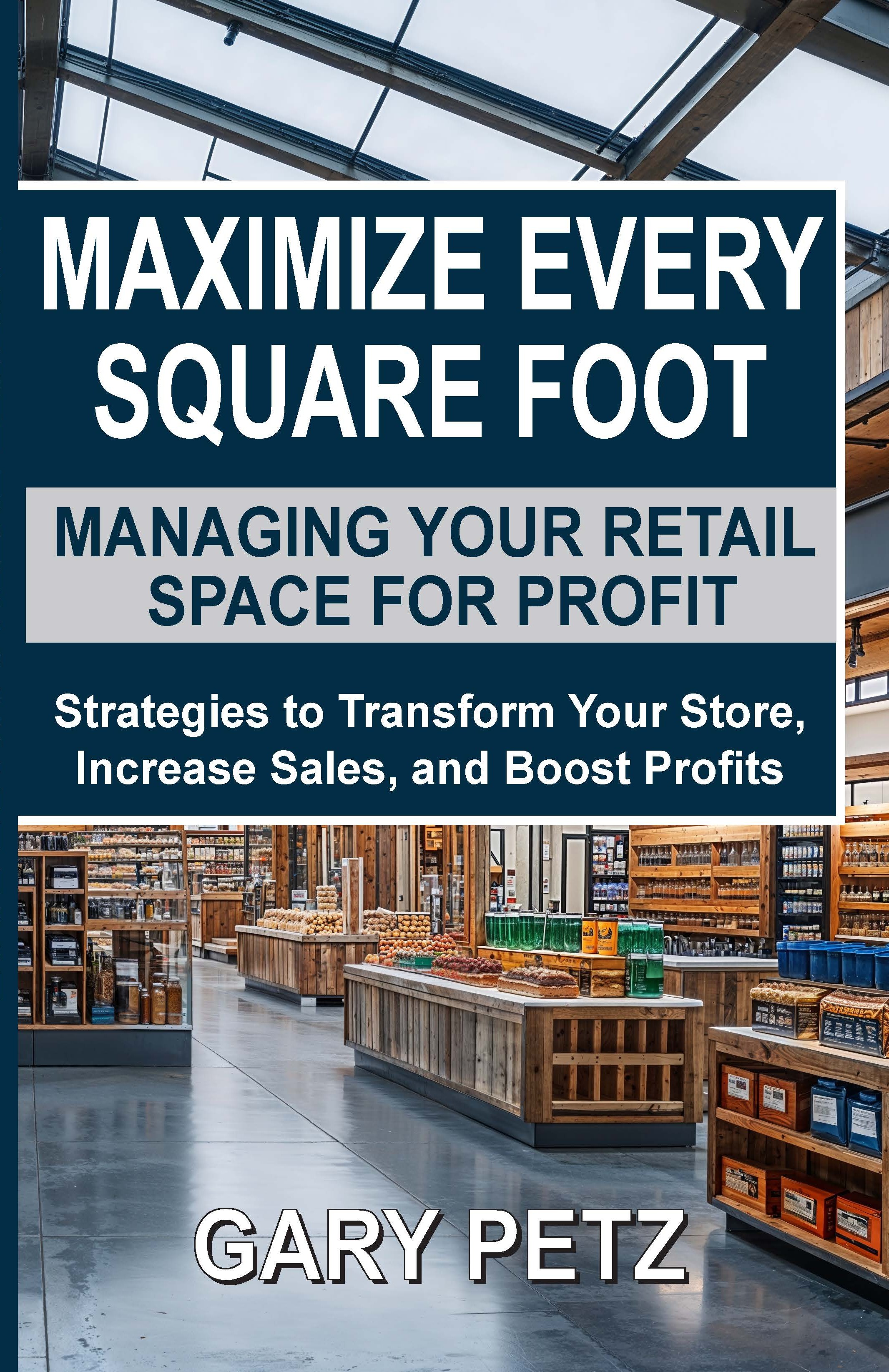

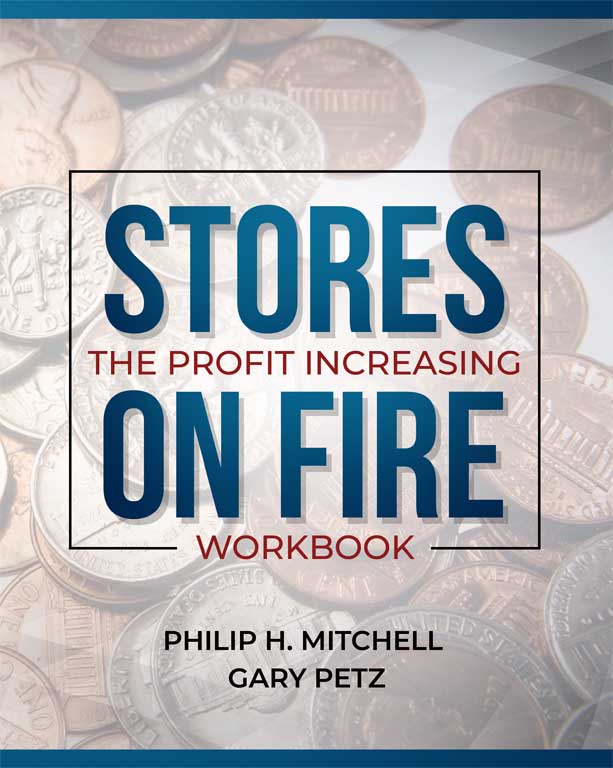
Today retail competition is more fierce than ever. You need every advantage. The phone call is free…let’s talk.
(888) 292-6531
A Distinctive Approach
Elevate your retail business with Discovery Retail Group’s expert guidance. Our team of professional consultants specializes in enhancing retail performance in the lumber, hardware and home center industries. From optimizing store layouts to refining customer experiences, we offer tailored solutions to boost your profitability. Let us unlock the potential of your store with our innovative Profit Explorer and Incremental Improvement System. Take the first step towards a more successful retail future!